“Did you always know you wanted to be a teacher?”
“What made you want to become a teacher?”
These questions sprinkled my first day of grad school on Tuesday all day long as I chatted nervously with my new classmates. The energy in the room was one of excitement and anticipation. All of us eager to learn each other’s stories and get a taste for each other’s unique brand of our shared passion – education. Being a former theater kid, it felt similar to the first day of rehearsal. With the audition behind us, we could all breathe a sigh of relief. We made it.
My professor asked us to create a set of cohort “norms” that would guide us through our, what was sure to be a whirlwind, of ten months of teacher education. I was struck by the idea that my group came up with – this idea of being vulnerable. We felt that it was important for us to be open to being vulnerable as we embarked on these next ten months. Not only vulnerable professionally as we all start a brand new career but also personally in order to build trust among each other. After all, our cohort would be our ride or die for the next year, likely drying a few tears and celebrating each other’s triumphs – what these triumphs will be…I have no idea. A terrifying thought for someone like me who couldn’t stop wondering all day, “When are we getting a syllabus? Does grad school have syllabuses? Or have our grad schooly intellects surpassed the need for syllabuses? Wait…did I miss the email where it said we are required to be proficient at mind reading skills by June 18th?!”
As I said, I was a theater kid. Vulnerability was the name of the game in theater. Cry on stage? Yup, I’ve done it. Screamed on stage? Sure thing. Written plays about my own painful life experiences? And won competitions doing it! And while, my subjects will be Health Education and Social Studies, I assumed that theater, and therefore, vulnerability will be the the foundation to everything I will do as an educator.
Then why hadn’t I been fully open about the real reasons why I want to be a teacher?
What stopped me from being vulnerable that first day?
“Did you always know you wanted to be a teacher?”
“No. I wanted to be a theater artist.”
“What made you want to become a teacher?”
“I decided theater wasn’t for me and started exploring other options and landed on teaching!”
I brushed past the real reasons for wanting to become a teacher because I wasn’t as comfortable with vulnerability as I thought I was. I wasn’t on stage anymore. I wasn’t playing a character or writing a script. This was me. All me. Nothing to hide behind and only judgement to fear from my new classmates.
But vulnerability is worth it. If theater taught me anything, it’s that all humans really want in this world is to know that they are not alone in their human experience. Theater and the arts are a way for us to let each other know that while every story is unique, in a way, they are all the same. Vulnerability is mandatory for this connection to happen. I want to be a daily reminder to my students that they are not alone. Vulnerability is mandatory for this connection to happen. So here goes nothing! So here is the first (of two) real reason I decided to become a teacher.
Reason 1: Lonely Times at Eagle High
I remember high school vividly. Perhaps not the details. A teacher’s name. A character I played. The name of that one kid who sat behind me in Math class. But I remember in vivid detail how high school felt. I was constantly embarrassed to be alive. This was, come to find out, the result of an anxiety/depression disorder that slammed painfully into my newly formed cognitive skills like meta-cognition and complex comparison skills. A torturous combination for an anxious teenager. Now I could think about my circular thoughts and I could compare myself to my peers in minute detail. Perrrrrrfect.
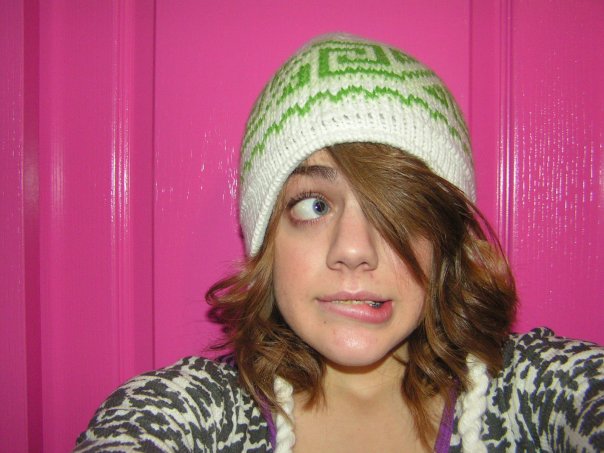
The lack of my ability to look directly into the camera was a phenomenon of my painful self-consciousness and early 2000s primeval selfie culture. #duckface4eva
I was painfully self-conscious and would often shrink when someone I didn’t know well looked at me. God forbid if it was a boy. But at the same time, I desperately wanted to be noticed and loved by my peers. I wanted to audition for plays. I wanted to be known as the funny girl – a surprise cool girl. I was constantly confused by the dualities that my anxiety and depression and my extroversion presented to me. I was happy and sad all at the same time. Angry and delighted. Shy but outgoing. Empathetic but selfish. Submissive and assertive. One minute I was laughing and the other I was crying. A friend often described me as a roller coaster – it’s a wild ride knowing me but at the end you look back and can’t deny that knowing me was fun! The dualities were a constant battle in my head and heart. Trying to maintain some sort of balance that I could call an identity. The lack of identity could lead to a lot of self-loathing some days. Other days I would fake it until I made it. On rare days, a glimmer of my authentic self would shine through. Those were the great days. I was usually on stage on those days. But most days were a balancing act, trying to keep spinning plates in the air. Most days they remained there. Some days they crashed to the ground.
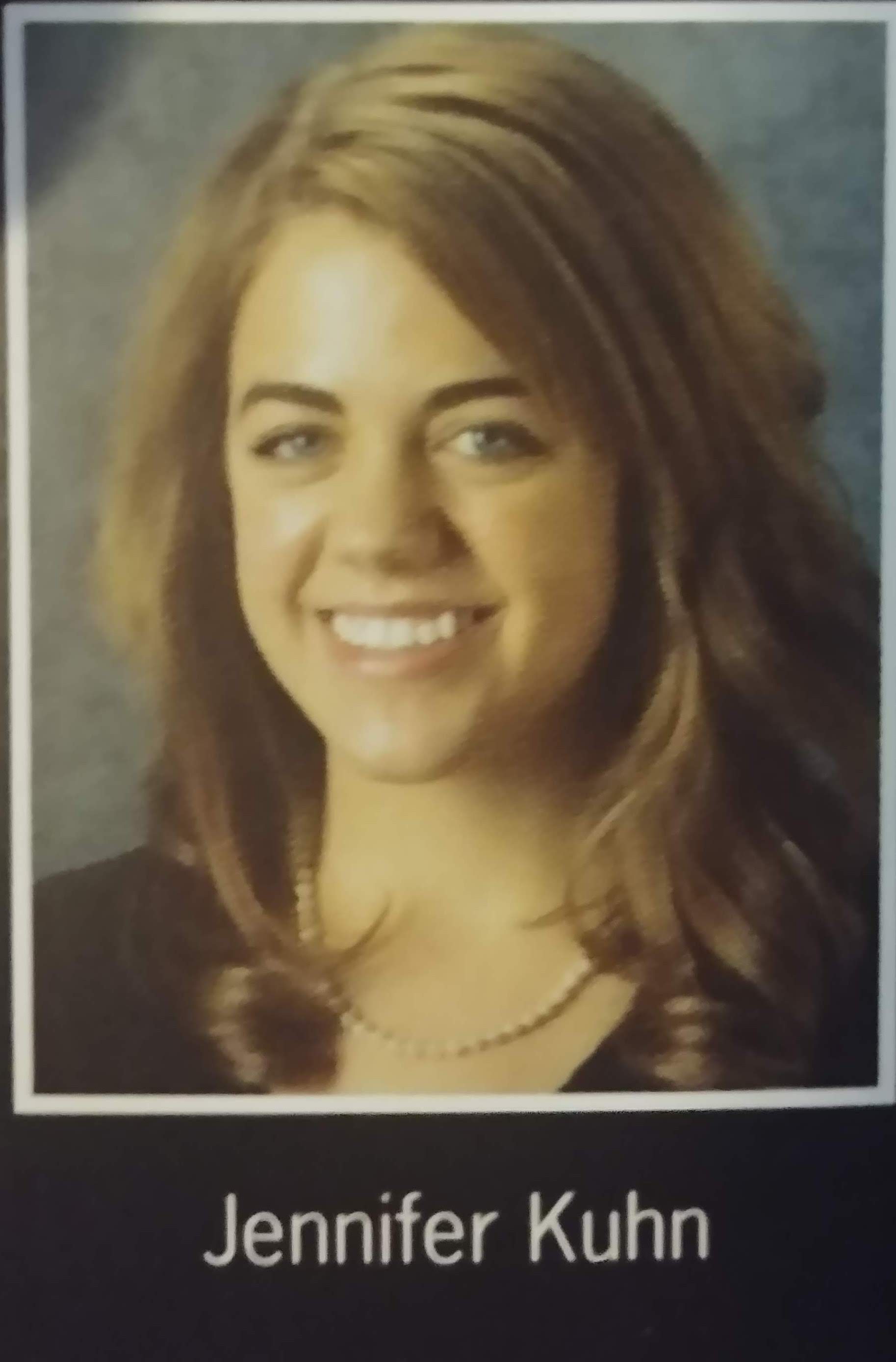
The days that the plates came crashing down, were not the days I sought comfort from my friends. They were balancing their own plates. They too were unable to see the light at the end of the tunnel. They had no answers for me on when this time would come to an end and when I would finally know who I was. It was my teachers who comforted me during these times. They remembered what the tunnel of adolescence felt liked and were living proof that there is a light at the end of it. They never forgot what it was like to be a teenager. They honored the drama and the realness of my experience becoming a young adult while they honored my desperate need to remain a child for just a bit longer.
Ms. H, my drama teacher, gave up her prep period to comfort me during a panic attack and escorted me to the school nurse. She stayed with me until my mom picked me up. She encouraged me to pour my confusing experiences into script writing.
Mrs. C, my AP history teacher, woke me up with a gentle voice of concern instead of anger when I had fallen asleep at my desk. She didn’t ask what was wrong with me but instead what had happened to me that day that made me so uncharacteristically exhausted.
Mr. F, my science teacher, always reminded that there is always something to laugh about and had no doubt about my strength as a human being.
Mrs. EM, my English teacher, encouraged me to write some of my best poetry to date that helped me understand why I felt the way I felt. She modeled what being vulnerable meant by reading her own work to us.
These teachers remembered what it was like to be in my place and it made all of the difference to a self-conscious, awkward extrovert like me. They didn’t write it off on hormones or just being a “teenager” but saw the human in me and centered my experience as important to them. They made me feel seen.
A lot of people like me who had fairly painful high school experiences want to forget it and leave it behind. While I’ve healed from that pain (For the most part. Does anyone really fully heal from it? O! the unrequited love! O! the rejection from the popular group! O! the layered polo shirts!), I don’t want to forget it. Remembering is a tool. A tool for connection. A bridge between me and my future students. I want to be a teacher to remind students they are seen. I understand. I remember. They are not alone.
~~~~~~~~~~~~~~~~~~~~~~~~~~~~~~~~~~~~~~~~~~~~~~~~~~~~~~~~~~~~~~~~~~~~~~~
Please feel free to share your thoughts or comments about my first post with me! Did you have a high school experience or teacher that shaped the rest of your life? Any embarrassing high school stories that are funny with hindsight but you remember the sting so well? Please share!
 Amateur Hour